2026-07-12 00:00:00-04:00
Can Anxiety Cause Hair Loss? A Simple Guide to Recovery
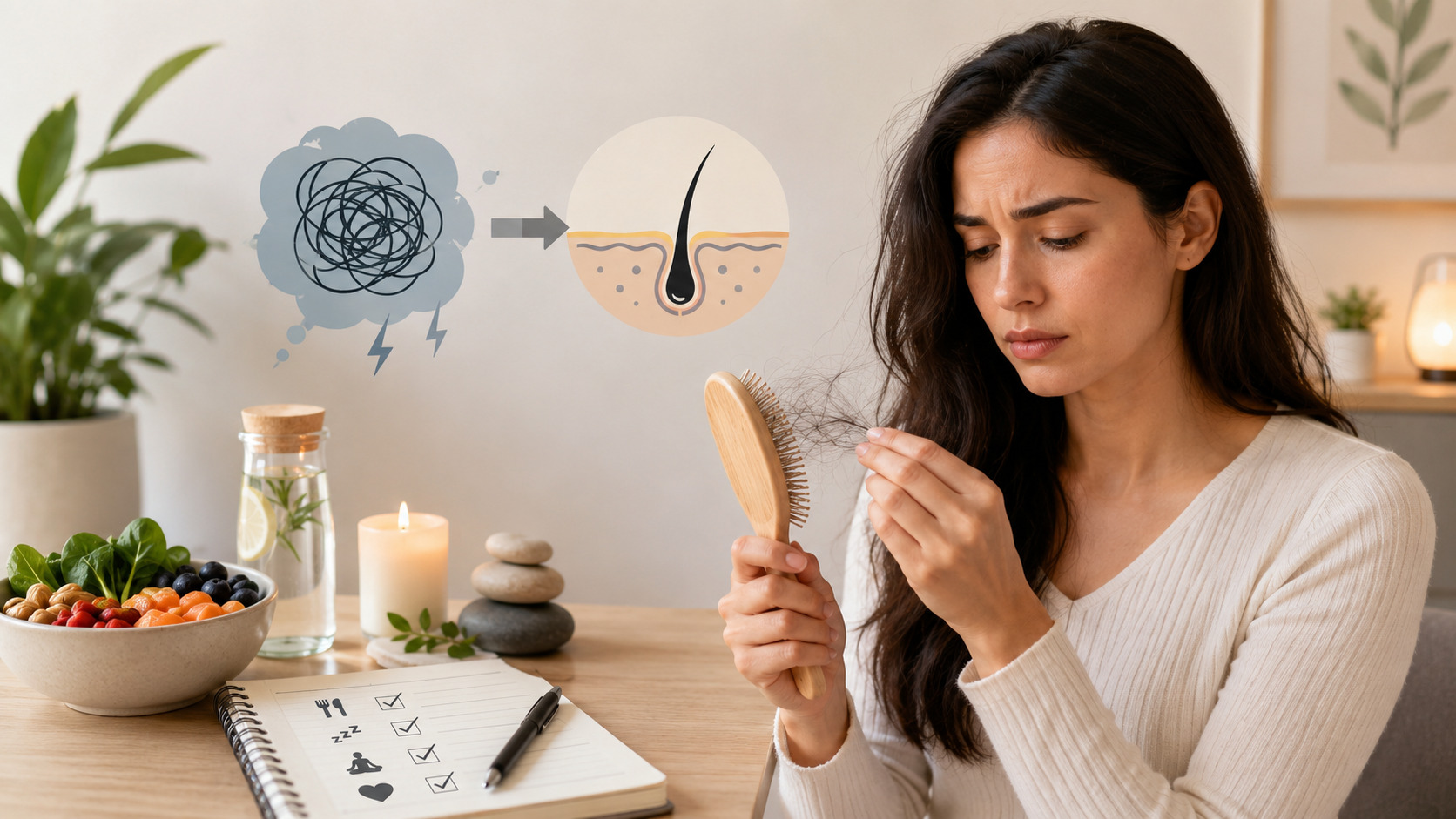
Yes, anxiety can contribute to shedding, especially when it lasts for weeks or follows a major trigger. The connection usually comes from how stress affects the body over time, not from a single anxious thought or one difficult day.
The most common pattern is temporary shedding that appears a few months after a high-pressure period. A doctor may call this telogen effluvium. In this pattern, stress can push many hairs into the resting phase, so more strands may come out during washing, brushing, or styling.
This does not mean every case comes from anxiety. Genetics, thyroid issues, low iron, medications, scalp problems, hormones, and autoimmune conditions can also cause shedding. That is why a clear diagnosis matters.
How Does Anxiety Affect Your Hair?
Anxiety can affect the hair growth cycle by keeping the body in a prolonged state of alert. During this response, the body may release stress hormones that affect the scalp's ability to support normal growth. Research also suggests that prolonged stress can affect signals around hair follicles, which may slow the return to active growth.
Can stress and anxiety cause hair loss? Yes, they can contribute, but the pattern often depends on duration, intensity, and your baseline health.
Common triggers include:
- Panic, grief, burnout, or intense worry
- Illness, surgery, childbirth, or rapid weight change
- Poor sleep, restrictive eating, or ongoing pressure
When the trigger calms down, hair grows gradually for many people. The process is slow because the scalp needs time to return to active growth.
Signs Anxiety May Be Involved
Hair loss linked to stress often shows up as increased shedding across the scalp, not as a single clearly defined empty spot. You may see extra strands on your pillow, in the shower drain, or in your brush.
Does stress make you lose hair? It can, especially after a stressful event. Some people notice shedding two to three months later, so the timing can feel confusing.
Look for these clues:
- Shedding started after emotional strain or illness
- The scalp looks normal, without redness or scaling
- Hair loss feels diffuse instead of sharply patterned
- You see hair falling during routine care
- You also have sleep changes or appetite changes
If you notice bald patches, pain, burning, scaling, or sudden clumps, get checked by a professional.
Anxiety Shedding Versus Other Causes
Anxiety can contribute to temporary hair loss, but it can also reveal another issue. A dermatologist may review your history, examine your scalp, and order blood work when needed.
| Pattern | What it may suggest |
|---|---|
| Diffuse shedding after pressure | Possible stress-related hair shedding |
| Round empty spots | Possible alopecia areata |
| Gradual widening part | Pattern-related hair thinning |
| Breakage after styling | Hair shaft damage |
| Itching or flakes | Scalp inflammation |
Can anxiety and depression cause hair loss? They may contribute indirectly through sleep loss, changes in appetite, inflammation, pulling behaviors, or long-term strain. Depression can also make it harder to eat enough protein, manage routines, or seek care early.
At this stage, resources from Kopelman Hair can be a helpful starting point for understanding whether your symptoms suggest shedding, pattern loss, or another scalp concern.
What Helps Support Recovery?
Stress-related hair loss often improves once the trigger settles, but the scalp still needs consistent support. The goal is to reduce ongoing strain, protect existing strands, and rule out other causes.
Practical steps include:
- Eat enough protein, iron-rich foods, and healthy fats
- Keep a consistent sleep schedule when possible
- Avoid tight hairstyles and harsh brushing
- Reduce heat styling while shedding is active
- Track shedding with photos every four weeks
- Manage anxiety through therapy, breathing exercises, movement, or medical support
Ask a clinician before starting supplements. Some products can have side effects, and taking nutrients you do not need may not help.
Treatment options depend on the cause. Some people need no medical treatment beyond time and trigger control. Others may need topical medication, lab correction, scalp care, or therapy for hair-pulling behavior.
When to See a Professional
See a specialist if shedding lasts longer than three months, worsens, or is accompanied by scalp symptoms. You should also seek care if you have thinning hair along the part, circular gaps, or a family history of pattern loss.
Chronic stress can keep the body under pressure, but it should not be the only explanation considered. Good care considers the full picture: emotional health, nutrition, hormones, medications, recent illnesses, family history, and scalp condition.